
OUR MISSIONS
Organize, unite,
Rcube is working on three complementary fronts to accelerate the development of a professional, visible, and influential re-employment sector in France and Europe.
01
Unite & professionalize
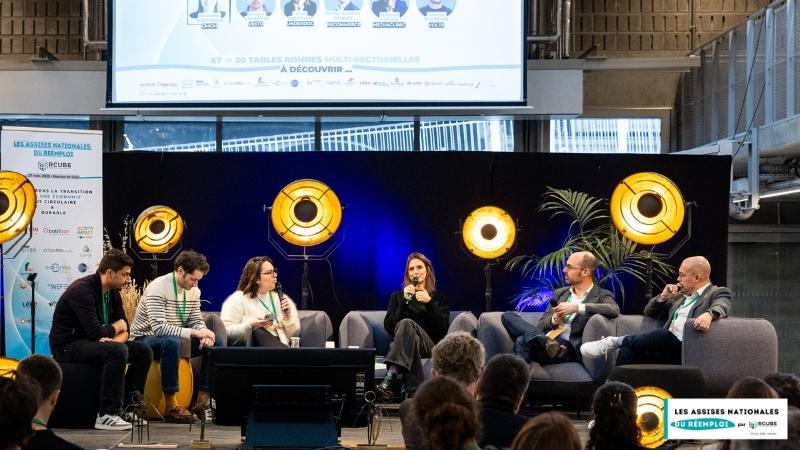
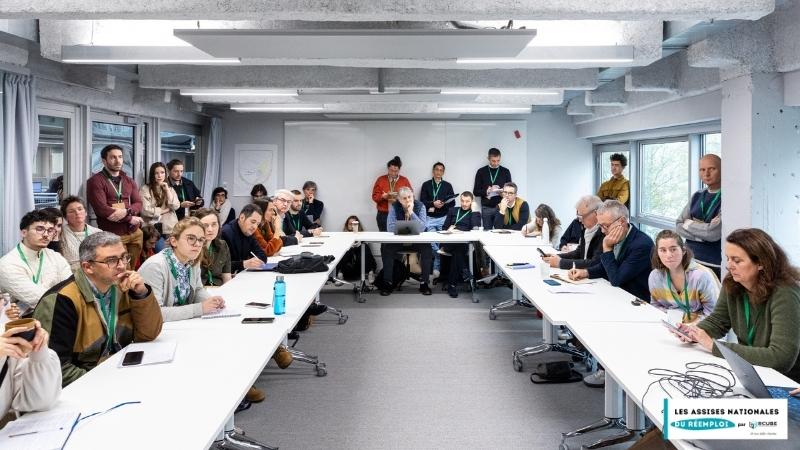
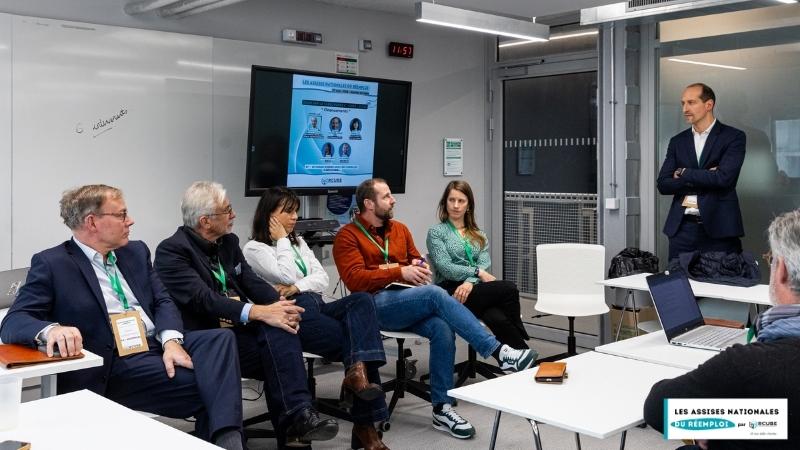
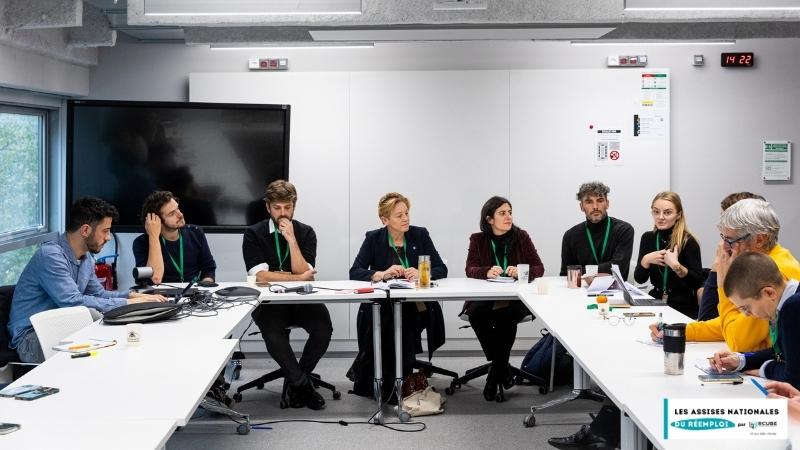
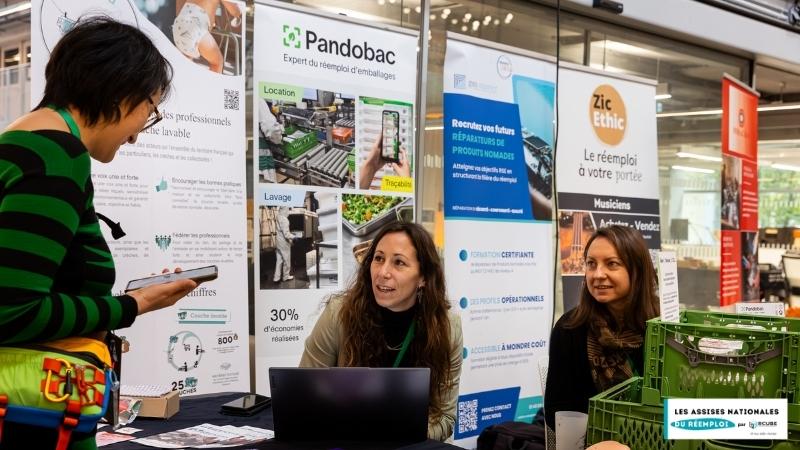
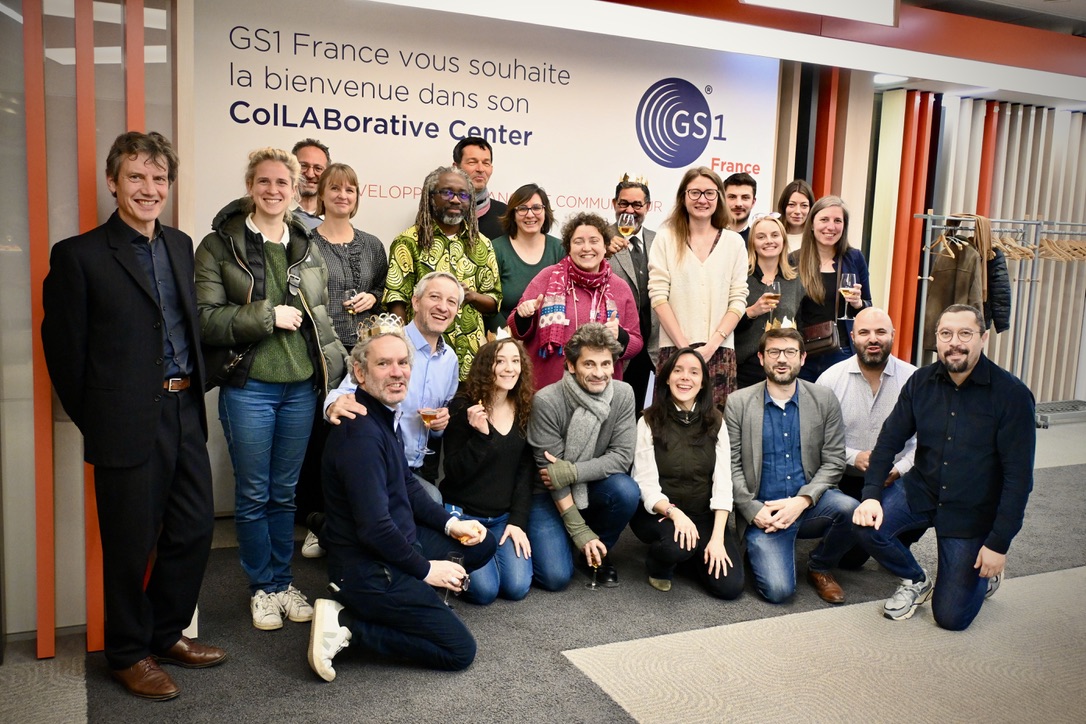
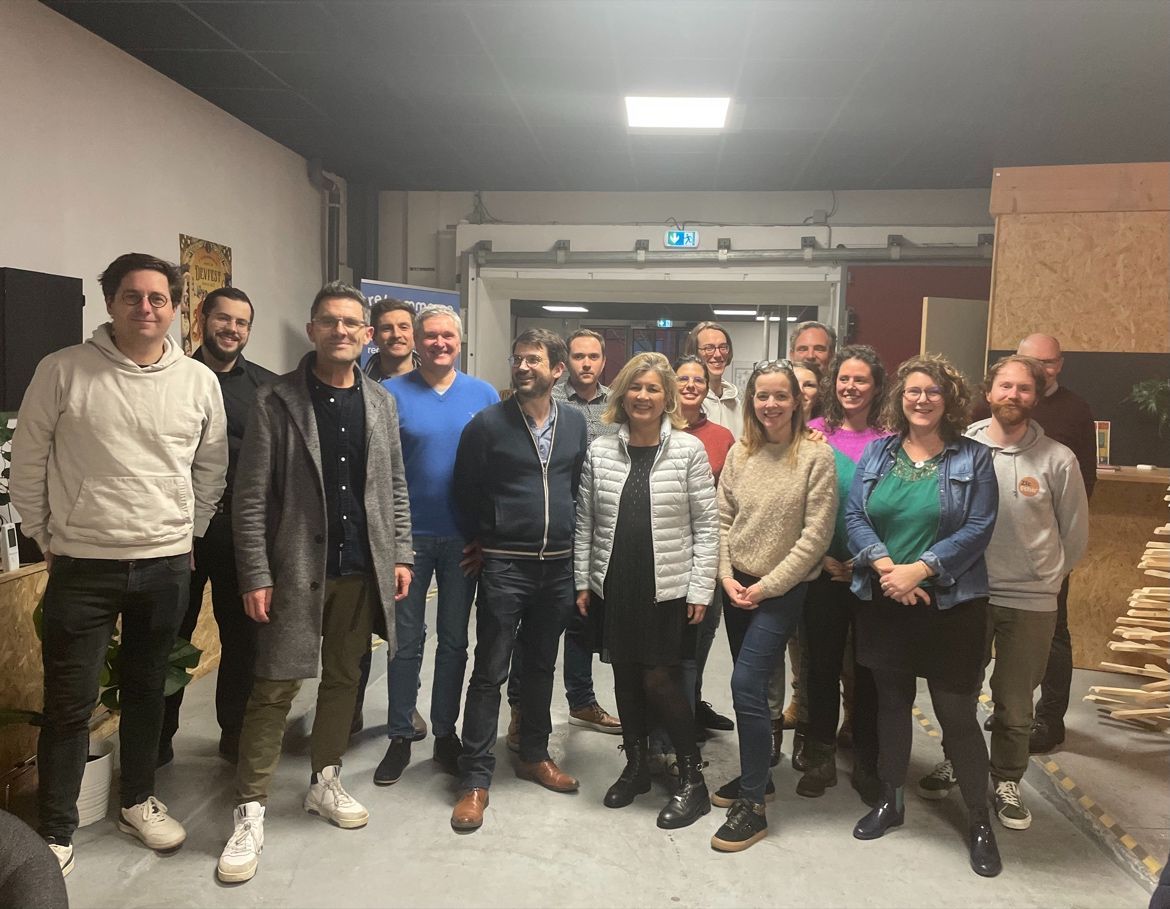
Bringing together stakeholders in the reuse sector—businesses, nonprofit organizations, and public institutions—so they can share best practices, collaborate, and move forward together. The sector can only become more organized by working together.
A network with a strong local presence
Beyond Paris and the Île-de-France region, Rcube has a presence in Hauts-de-France (Lille, Béthune), western France (Nantes, Angers, Bordeaux, Brest), and the Lyon area throughRcube AURA.
Our working committees
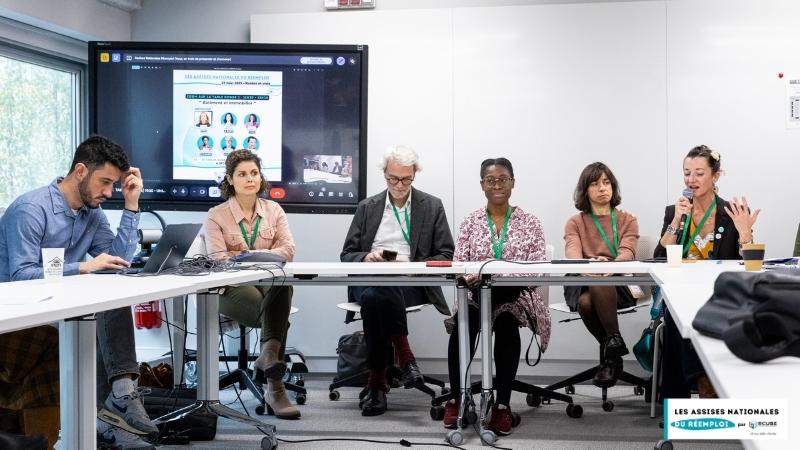
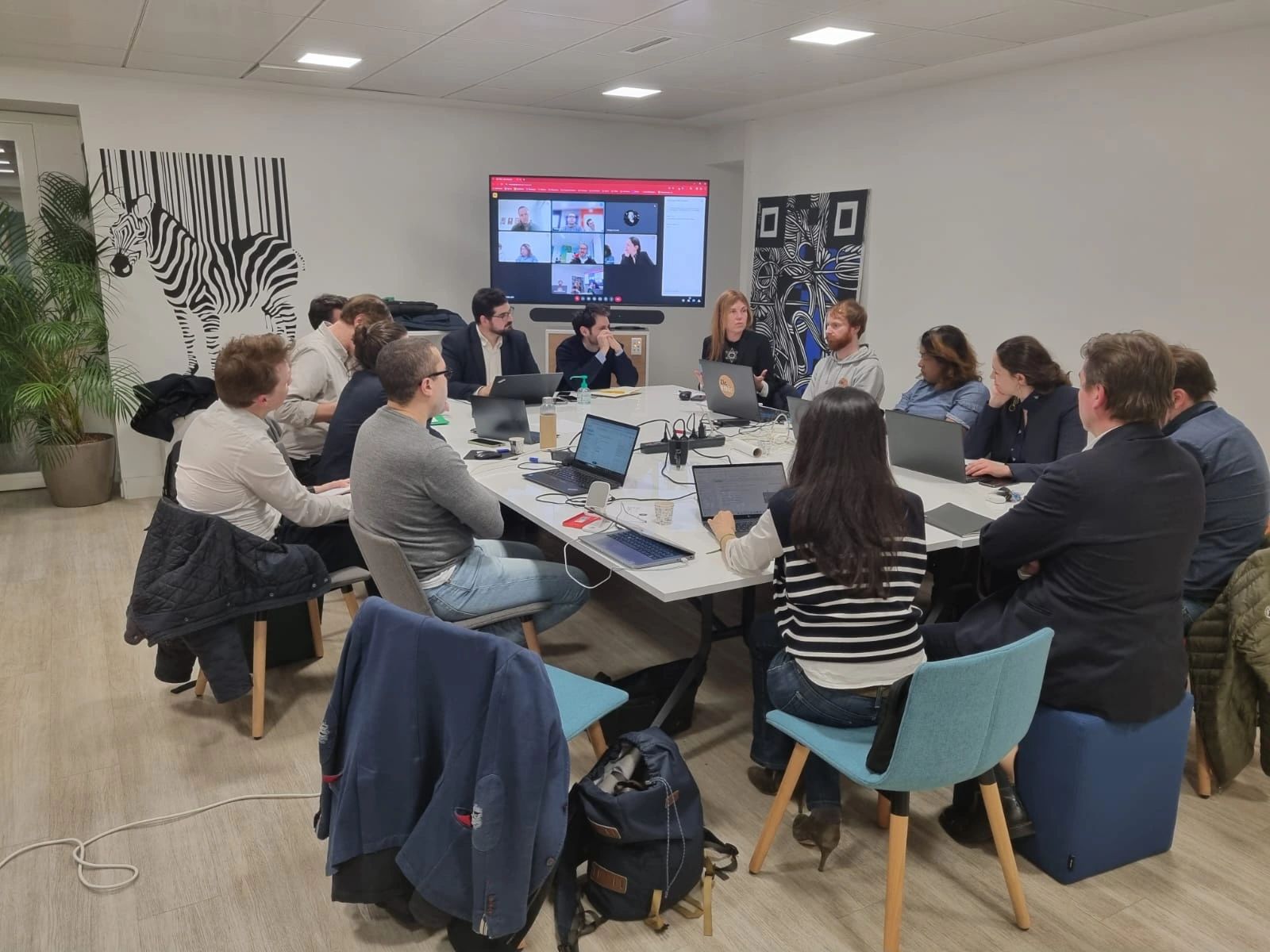
Rcube members organize themselves into thematic and cross-functional committees to develop recommendations, standards, and concrete actions.
Cross-functional committees
- Public Affairs & Advocacy
- Funding
- Communications & Events
- Certification
- Technical: Repair and Quality of Refurbished Products
- Training
- Traceability
Thematic committees by field of study
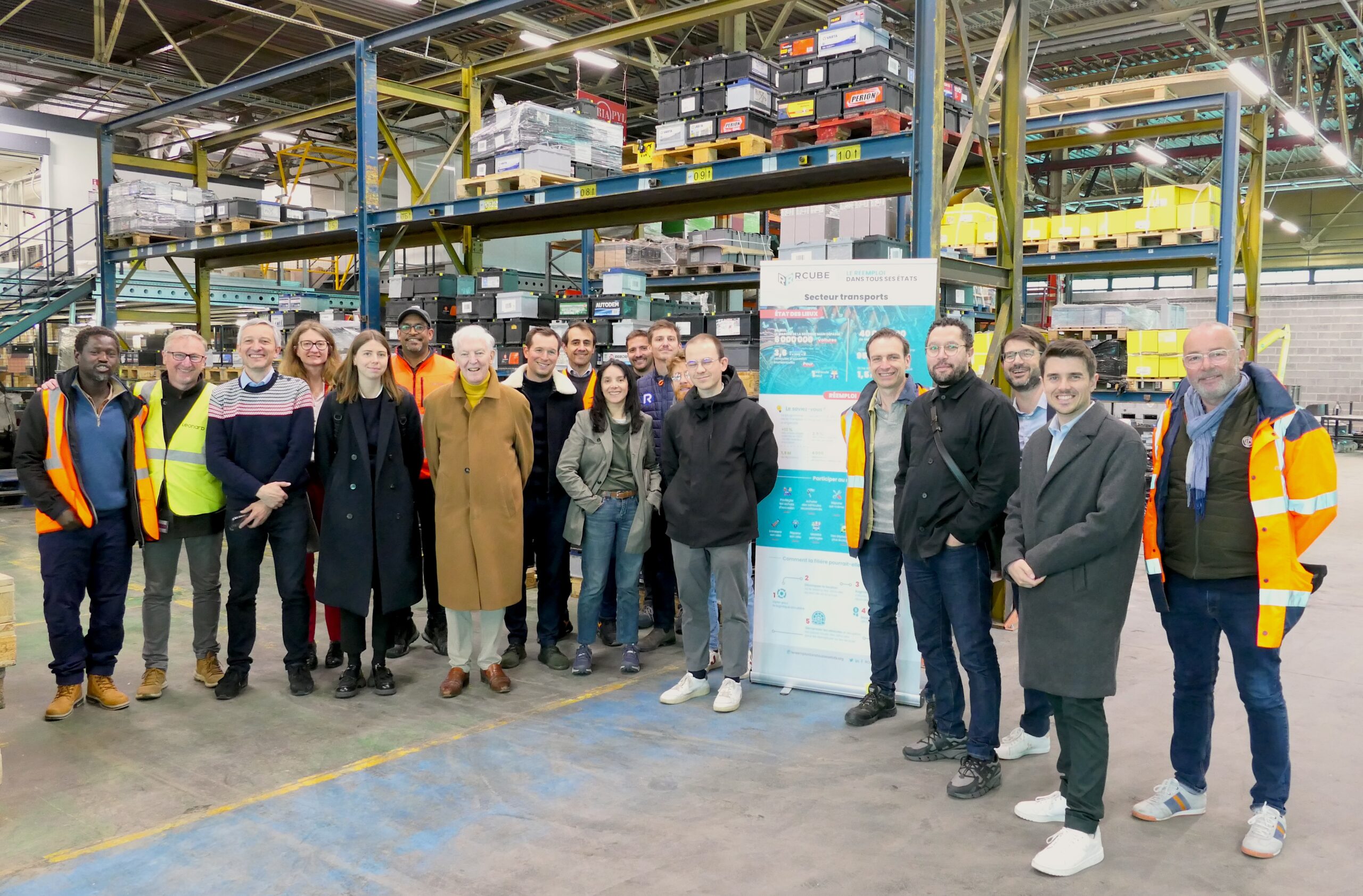
- Batteries & Reuse
- Health & Reemployment
- Construction & Reuse
- Furnishings
- Organic Matter & Reuse (Bedding)
Supporting the entrepreneurial ecosystem
Beyond the network, Rcube provides practical support to those leading reuse initiatives.
Program
ReUSE.LAB — Reuse Incubator
A unique support program for entrepreneurs in the reuse, repair, and refurbishment sectors: training, connections with experts, and acceleration of high-impact projects.
Expertise
Maps & Surveys
Rcube conducts industry audits and market mapping to help its members understand their market, identify opportunities, and steer their growth.
Training
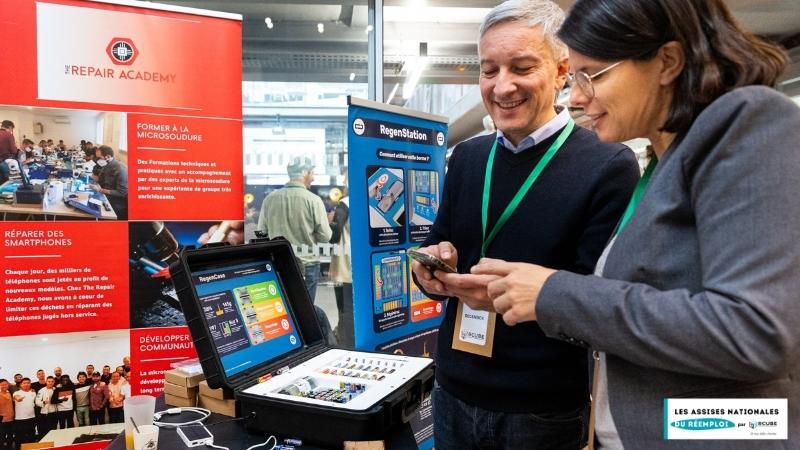
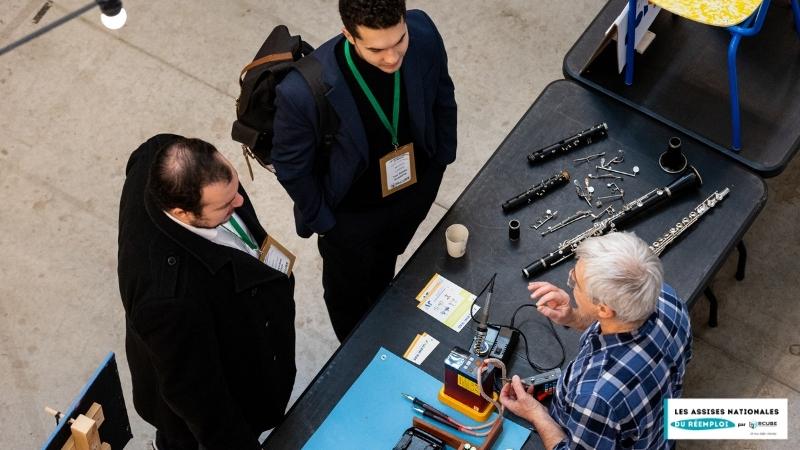
Workshops & Training
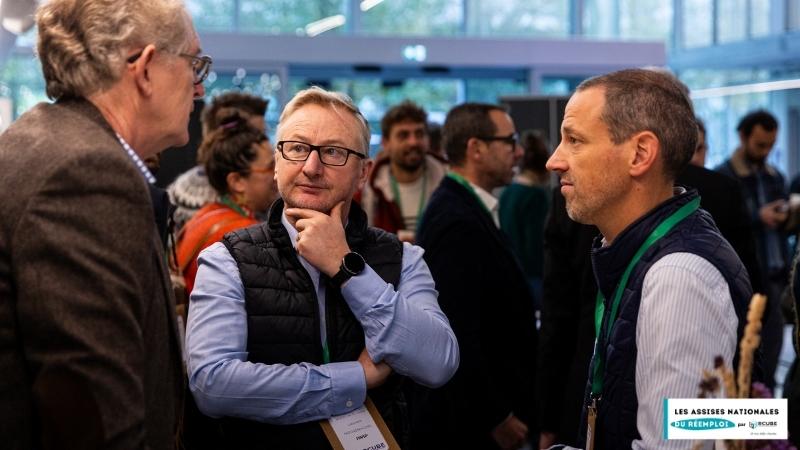
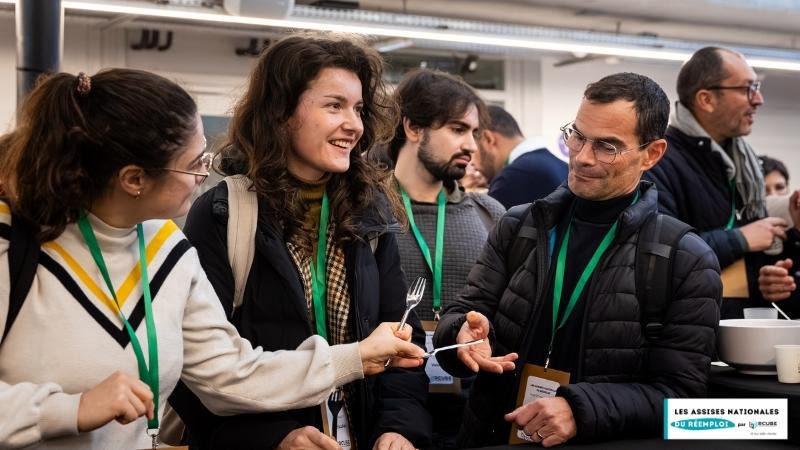
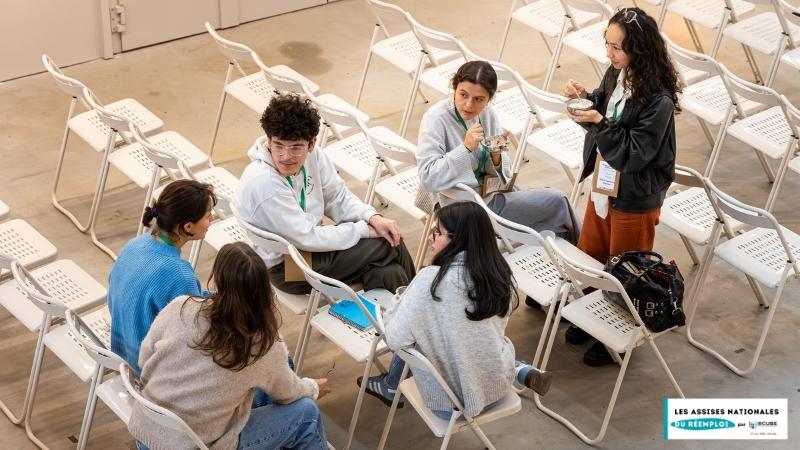
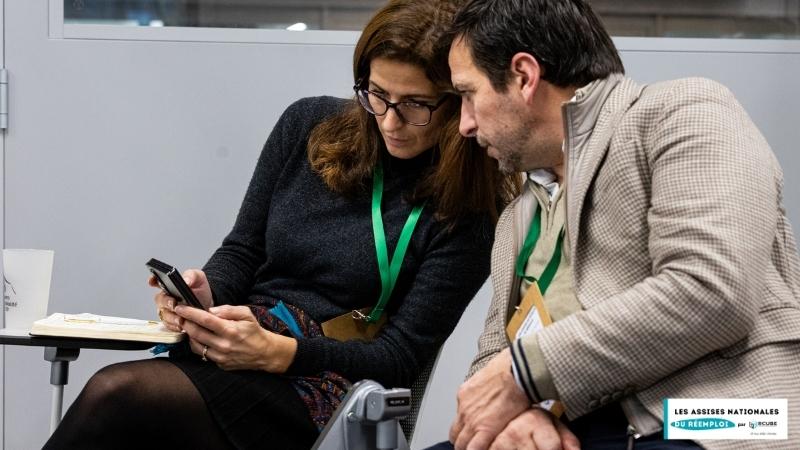
Workshops featuring industry experts, training sessions, and targeted networking opportunities to build skills and enhance professional practices.





02
Structure & influence
Rcube is represented in the official bodies that set the rules for the reuse industry. This institutional presence gives the sector a voice where decisions are made.
Rcube serves on and votes in several official bodies by ministerial appointment or by decree—a recognition of its pivotal role in the French circular economy.
Institutional representation
Rcube plays an active role in the bodies that shape policy on reuse and the circular economy in France.
| Instance | Role and Challenges |
|---|---|
|
CIFREP
Inter-sector REP Commission
|
Appointed by the Prime Minister. Rcube participates in the governance of recycling sectors: decrees, specifications, and approvals of eco-organizations. Administered by the DGPR. |
|
CNEC
National Council for the Circular Economy
|
Appointed by the Minister of the Environment. A representative council of stakeholders that provides advice on the implementation of the circular economy in France. |
|
ADEME
Reuse Observatory
|
A key member of the Steering Committee and Working Groups of the National Observatory on Reuse, led by ADEME. |
|
Copy
Private National Commission
|
Voting member of the Industry Panel (1 vote out of 24), contributing to decisions regarding the private copying levy and its impact on refurbished products. |
|
DGE
Directorate General for Enterprise
|
Collaborative efforts to regulate marketplaces and develop a code of best practices for online platforms and resellers. |
|
CUSTOMS
Working Group
|
Participation in collaborative work between Customs and Professional Federations |
|
GDPR
Directorate-General for Prevention and Risk Reduction
|
Participation in projects managed by the DGPR |
|
ACT FOR IMPACT
BNP Paribas Label
|
A label launched by BNP Paribas to help companies find innovative solutions that make a difference |
Advocate
Rcube produces reference materials and speaks out publicly to defend the industry's interests.
White Paper on Reuse
A reference document developed in collaboration with members and the National Reuse Conference, incorporating concrete legislative proposals to develop the sector.
Opinion Pieces & Position Statements
Rcube regularly publishes opinion pieces and open letters to alert policymakers to regulatory issues and advocate for the reuse sector.
Work on the AGEC Act
Rcube actively contributes to the monitoring and enforcement of the Anti-Waste Act for a Circular Economy by proposing amendments and regulatory clarifications.
03
Democratize & Raise Awareness
Making reuse visible, understandable, and appealing—for both professionals and the general public. Rcube organizes impactful events and produces content to grow the reuse community.
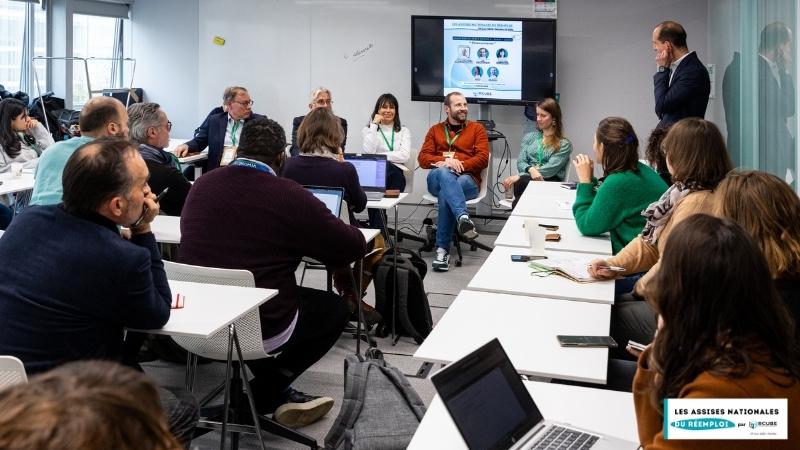
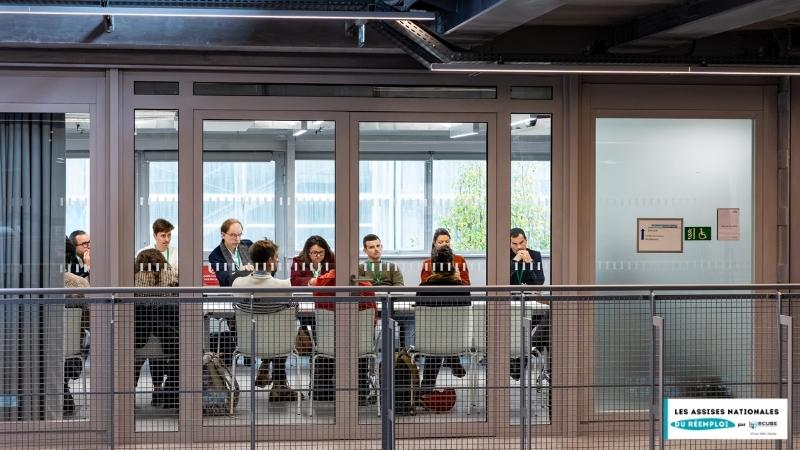
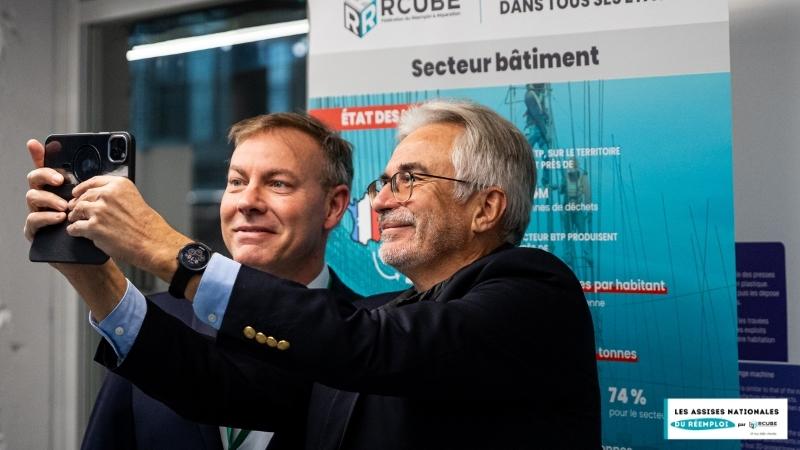
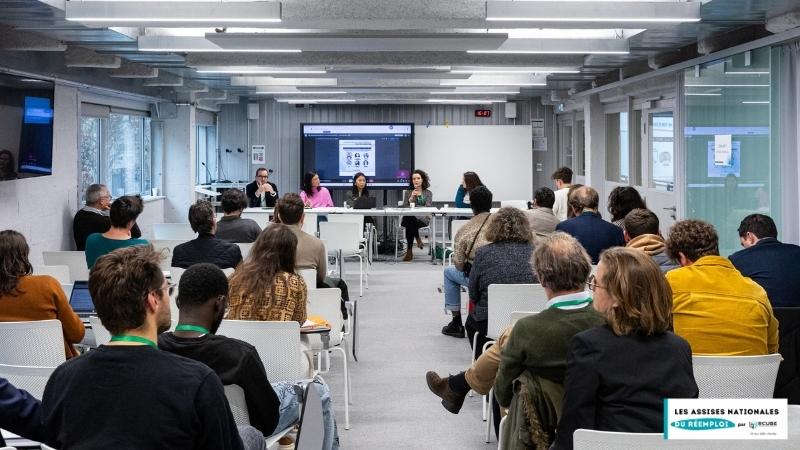
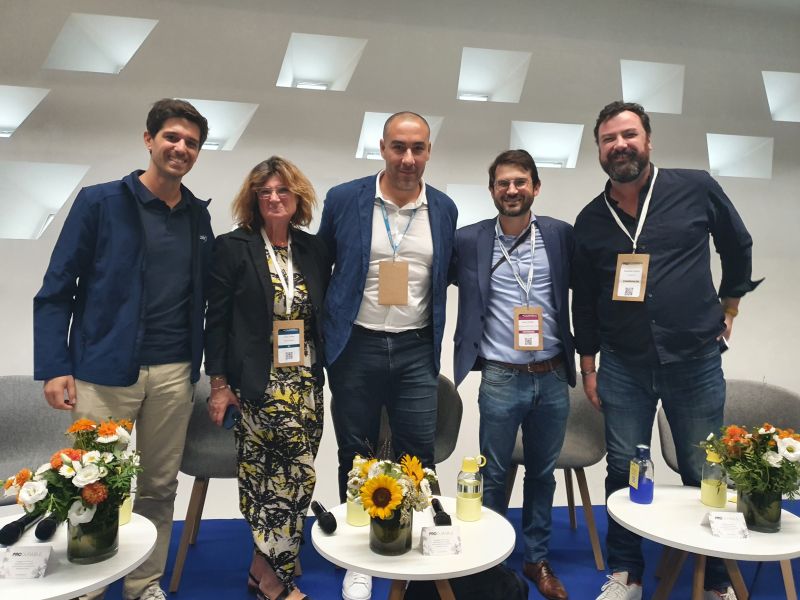
Every event organized by Rcube is an opportunity to foster collaboration, share best practices, and accelerate the transition to a more circular economy.
Major Events
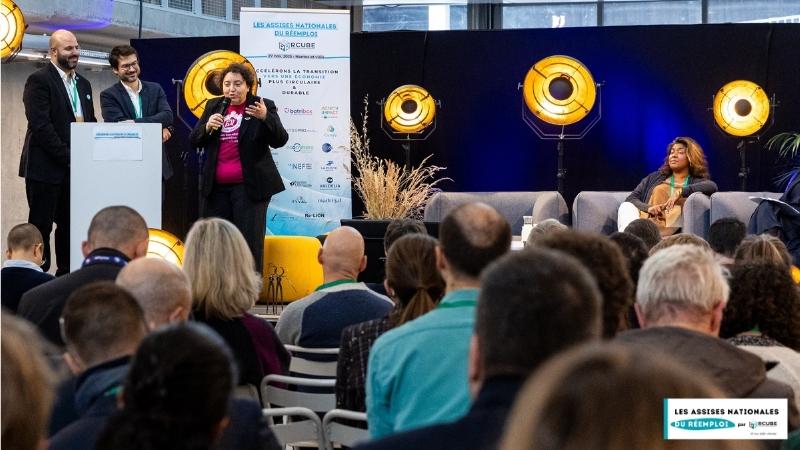
Rcube organizes and co-organizes national events to bring people together, provide training, and inspire.
🏛️
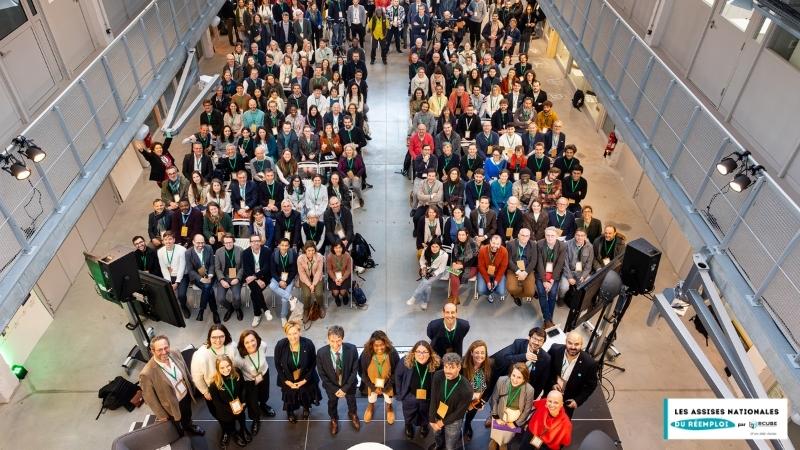
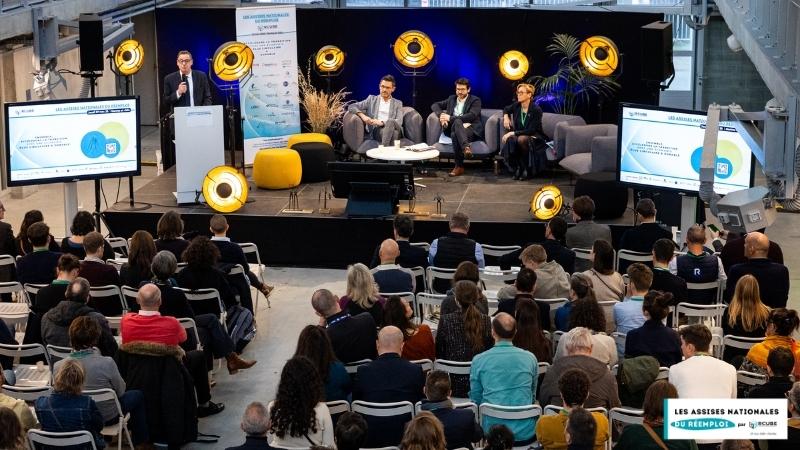
National Reuse Conference
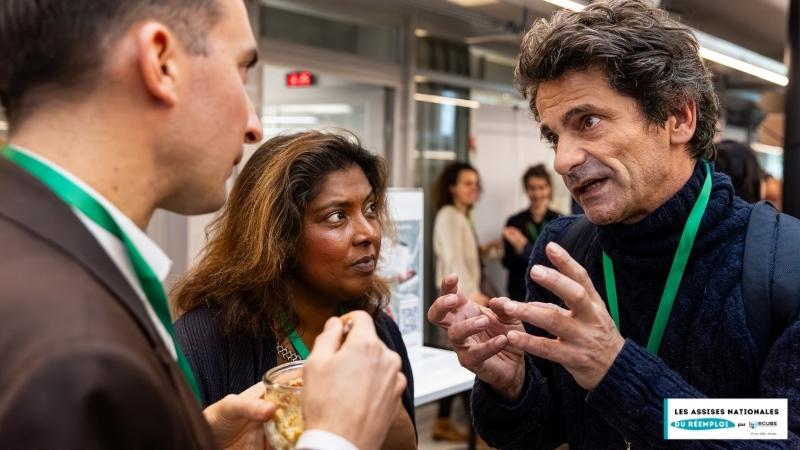
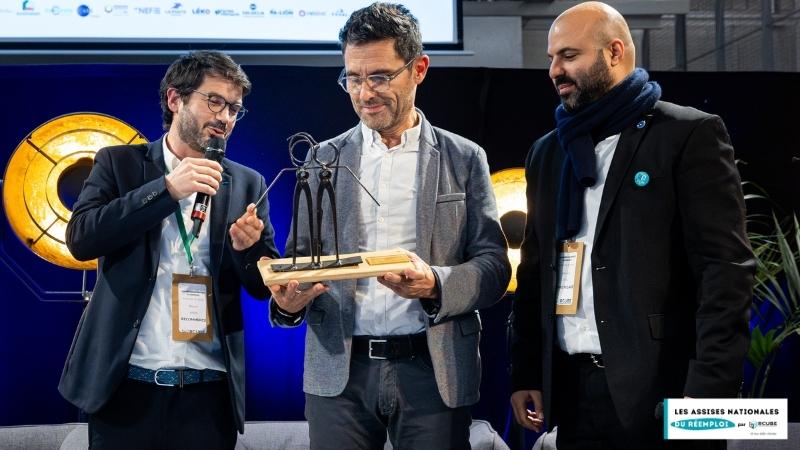
Two days of conferences, panel discussions, workshops, and networking opportunities bringing together professionals, experts, decision-makers, and researchers. The premier event for shaping and accelerating the reuse sector.
🛒
Bulk Goods and Reuse Fair
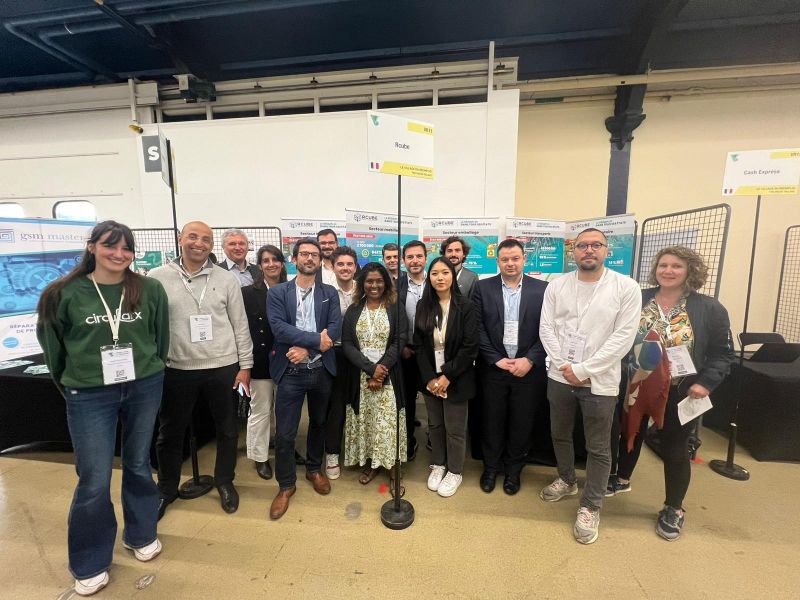
Rcube is a partner of the Salon du Vrac et du Réemploi, the industry’s national showcase, and is hosting the Reuse Village—a space dedicated to professionals in the repair, reuse, and reconditioning sectors.
Reuse Podcasts
A podcast series that gives a voice to the entrepreneurs and stakeholders who are driving the reuse movement on a daily basis.
Each episode spotlights a reuse business: its history, its challenges, and its successes. Would you like to share your story in an upcoming episode?